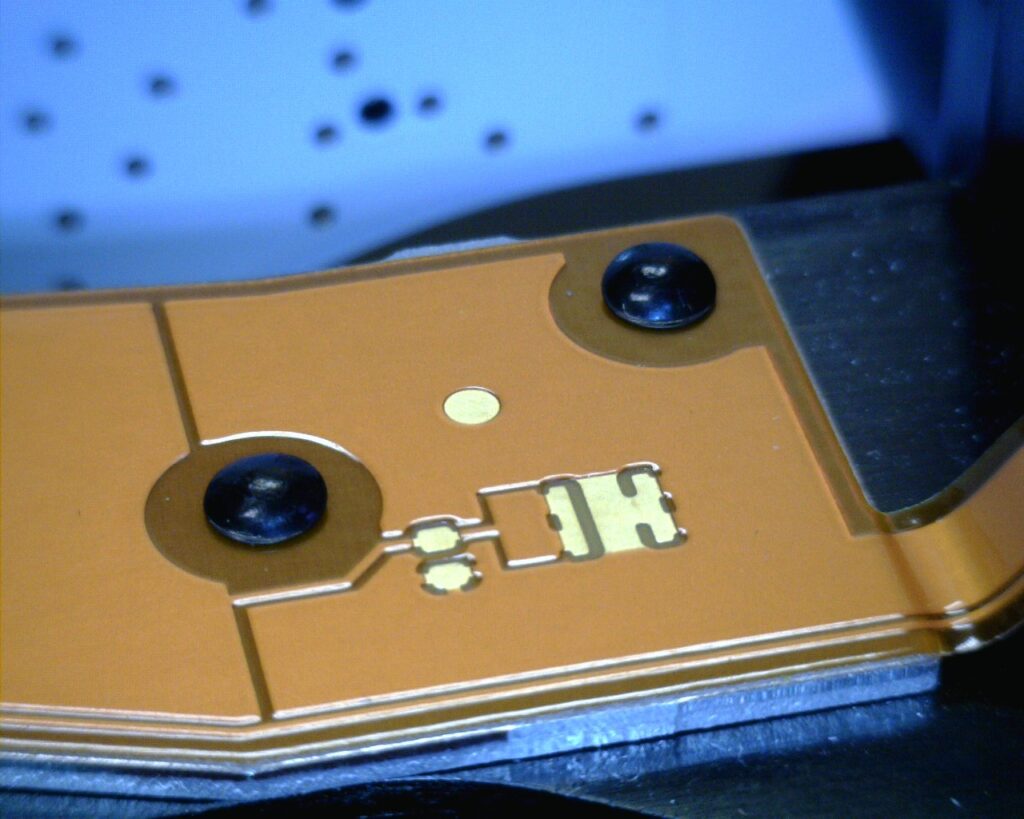
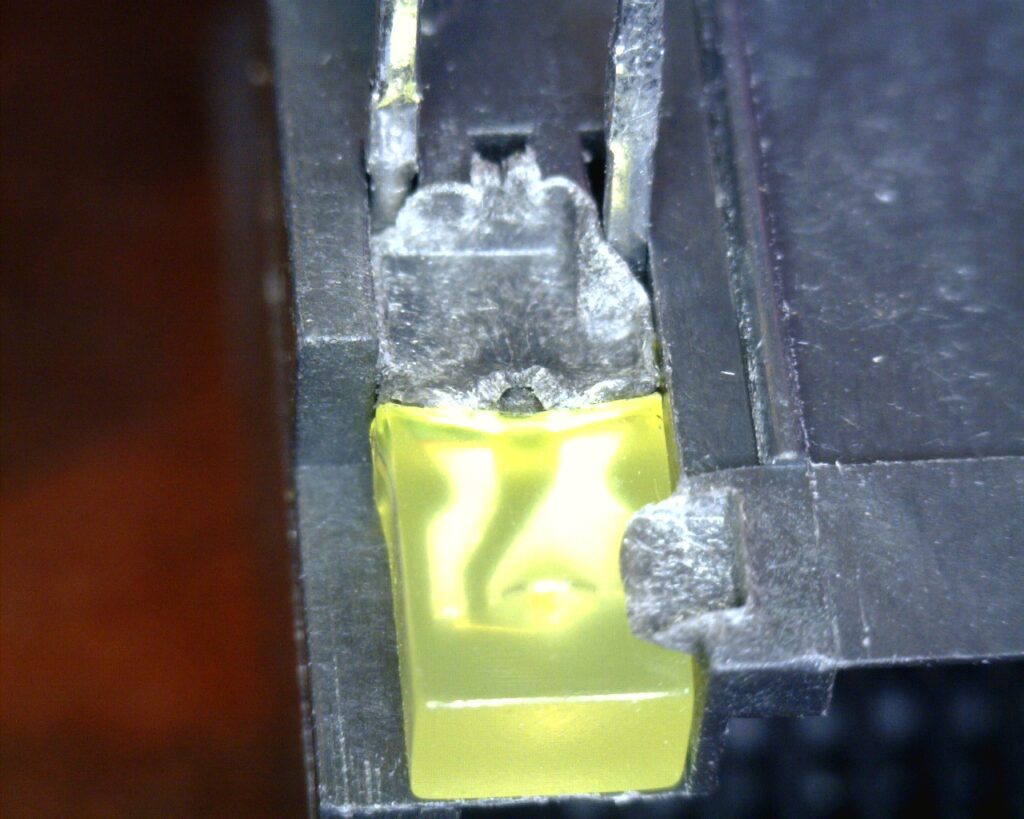
Heat staking is a versatile and efficient assembly technique in the manufacturing of products with built-in LED lighting. It provides secure assembly, enhances structural integrity, allows for design flexibility, reduces costs, improves heat management, and offers environmental benefits. These advantages make heat staking a preferred method in various industries including consumer electronics, automotive, home appliances, and medical devices.
The heat staking process is widely used in manufacturing to join plastic components into strong, permanent assemblies. By applying controlled heat and pressure, thermoplastic posts
In the dynamic realm of automotive innovation, one aspect stands out: the evolution of LED technology. As a frontrunner in precision heat staking machinery, Thermal
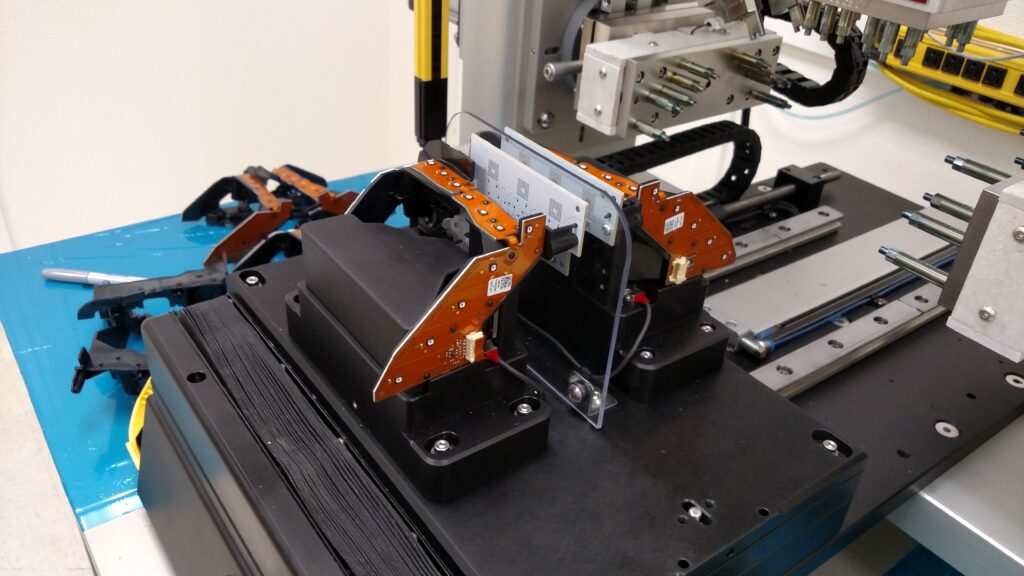
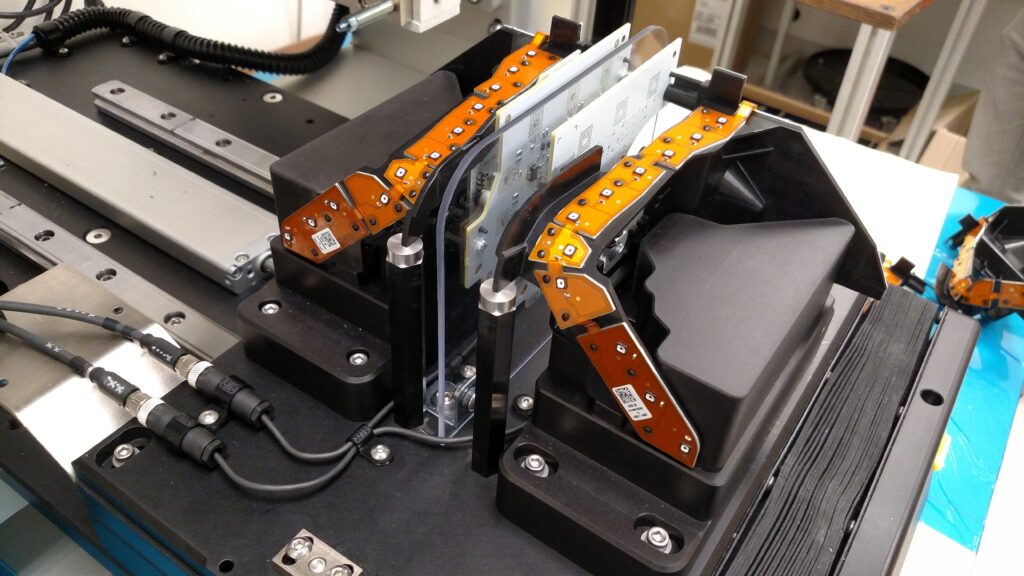
This video showcases a specially customized H-Series machine, equipped with four distinct thermal heads for optimized versatility. It also features a power shuttle table for enhanced efficiency. To ensure operator safety, the machine is designed with dual-hand Opto button controls, requiring both hands to be engaged before initiating each cycle.
Heat Staking a Large Automobile Taillight Assembly
This video showcases a custom-format Thermal Press machine engineered to heat stake a large automobile taillight assembly. The system features a multi-actuator setup and multiple thermal heads, ensuring precise and efficient processing of this complex component.
Heat Staking an LED Lighting Array
This video features an H-Series Thermal Press utilizing a power shuttle table to streamline the loading and unloading of an LED lighting fixture. It is equipped with a custom clamping system to ensure accurate positioning on every run.