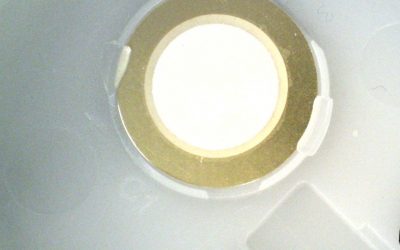
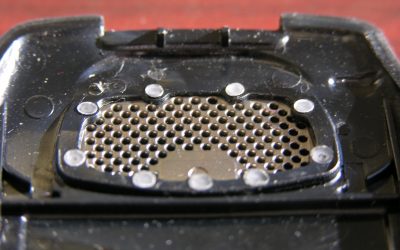
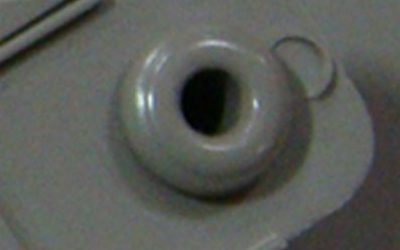
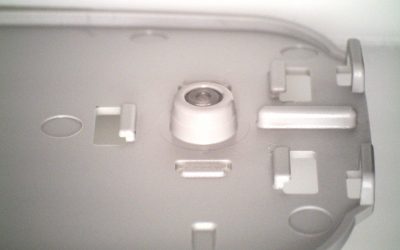
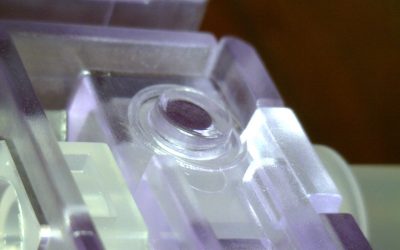
Heat staking involves the precise application of heat and pressure to melt and reshape a thermoplastic stud, creating a secure mechanical joint between similar or dissimilar materials. The process provides a reliable and economical alternative to screws, adhesives, and other mechanical fastening methods while helping reduce part count and assembly steps.
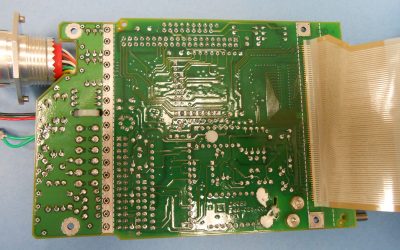
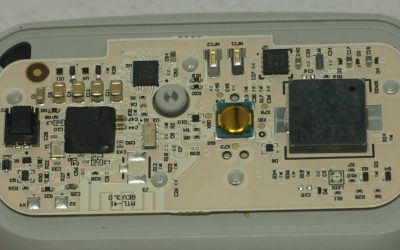
Heat staking is widely used across industries including automotive, medical, electronics, telecommunications, and consumer products. Typical applications include securing printed circuit boards, flex circuits, metal components, piezoelectric sounders, lighting assemblies, and other components to molded plastic housings.
Thermal Press International heat staking systems can be configured for a wide range of part sizes, materials, and production requirements. Depending on the application, systems can incorporate custom tooling and fixtures, multiple staking points, rotary tables, automated part handling, and process controls to provide consistent heat, pressure, and cycle parameters.